Source Laboratory Vacuum Filtration Set for Lab Research
Explore 30 options for the laboratory vacuum filtration set, including PP and glass models with HEPA filtration. Compare specifications like volume, material, and certifications to find suitable solutions for plant cell culture and industrial solvent filtration applications; compare the available evidence and request quotations based on your requirements.
Key considerations
Products List


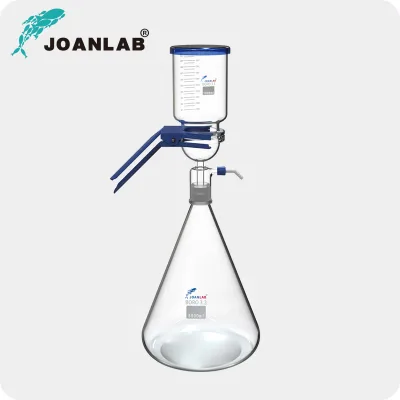


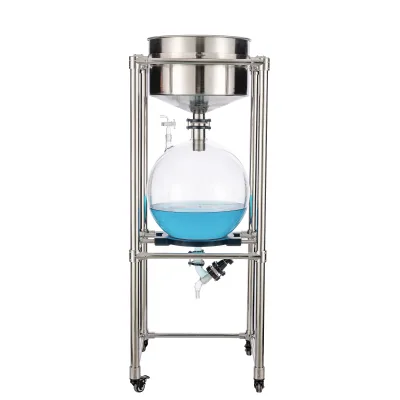
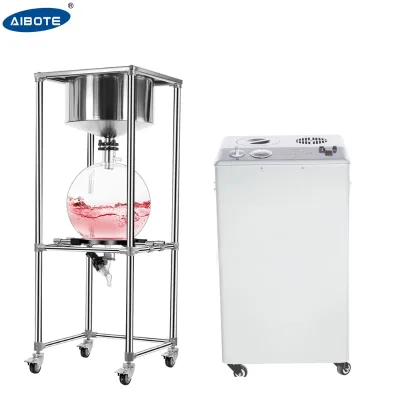


Comprehensive Sourcing Guide
Laboratory Vacuum Filtration Set Sourcing Guide
Procuring laboratory vacuum filtration sets requires a clear understanding of the distinct material compositions and functional designs available in the current market. Buyers often encounter two primary categories: disposable plastic filtration units designed for single-use applications in cell culture or suspension culture, and robust glass vacuum filtration apparatuses intended for repeated solvent filtration and industrial laboratory use. The plastic variants typically feature HEPA filtration grades and activated carbon bulk types, offering high light transmittance and flatness for precise visual monitoring. In contrast, the glass systems are constructed from Boro 3.3 glass, providing superior corrosion resistance and thermal stability up to 200℃, making them suitable for harsh chemical environments.
Selecting the appropriate system depends heavily on the specific volume requirements and the nature of the filtrate. Disposable plastic filters are available in volumes ranging from 50mL to 1000ml, with options for graduated markings and color-coded caps such as red, green, or purple to aid in sample identification. These units are often supplied in custom packaging to prevent damage during transit. Conversely, larger glass filtration sets come in substantial capacities, including 10L, 20L, 30L, and 50L configurations, with base plate sizes measuring 400*500mm to support heavy-duty operations. Understanding these physical distinctions is critical for aligning procurement with daily laboratory workflows and safety protocols.
Product Scope and Observed Listing Signals
The observed market signals indicate a wide variance in product specifications, with prices ranging from $3.43 to $5500 USD, reflecting the difference between simple disposable filters and complex multi-component glass systems. Minimum order quantities (MOQs) span from 1 to 500 units, suggesting that suppliers accommodate both small-scale research needs and large-scale industrial procurement. Buyers should note that while some listings highlight high-quality centrifuge bottle attributes, others focus on the structural integrity of the filtration base. The presence of customization options allows laboratories to tailor packaging and specific component configurations, ensuring that the purchased equipment integrates seamlessly with existing laboratory infrastructure and storage solutions.
Listing descriptions frequently emphasize key performance indicators such as good light transmittance and high flatness, which are essential for accurate observation during filtration processes. The product names often include terms like "filtration series" or "disposable vacuum filter bot," indicating a broad categorization that spans multiple use cases. Suppliers from Zhejiang, China, are prominent in this space, offering products certified under ISO and CE standards. Buyers must carefully distinguish between the material properties of plastic components, which may be classified as "other" or "corrosion-resistant," and the specialized Boro 3.3 glass used in high-temperature applications. This distinction directly impacts the longevity and chemical compatibility of the filtration set.
Technical Specifications to Verify
When evaluating technical specifications, buyers must verify the filtration grade and connector types to ensure compatibility with existing vacuum sources. The supplied data highlights the prevalence of HEPA filter grades and 222 connectors, which are standard for maintaining sterile conditions in sensitive biological applications. For plastic units, the diameter is often specified as 35mm, while the graduation markings provide precise volume measurements for quantitative analysis. It is crucial to confirm whether the filter includes activated carbon bulk types for specific chemical adsorption needs. Misalignment in connector standards or filtration grades can lead to operational inefficiencies and potential contamination risks in critical laboratory procedures.
For glass vacuum filtration apparatuses, the material composition and thermal limits are paramount. Boro 3.3 glass offers excellent thermal shock resistance, allowing the apparatus to withstand temperatures up to 200℃ without cracking. Buyers should verify the top bottle capacities, which range from 250ml to 1000ml, and ensure that the base plate dimensions support the weight and size of the selected configuration. The model numbers, such as AFA01 or filtration series identifiers, help in tracking specific design iterations. Additionally, the supply ability of manufacturers, often cited as 10000 sets per month, indicates production capacity but does not guarantee immediate availability for urgent orders, necessitating early communication with suppliers.
Compliance and Safety Documentation
Compliance documentation is a critical component of the procurement process, ensuring that the filtration sets meet international safety and quality standards. Many suppliers provide ISO and CE certifications, which serve as baseline indicators of manufacturing quality and regulatory adherence. For glass apparatuses, ISO9001 certification further validates the quality management systems employed during production. Buyers should request copies of these certificates to verify their validity and scope. While ISO 13485 is mentioned in background contexts, its direct applicability to general laboratory filtration sets may vary, requiring buyers to confirm if the specific product line meets medical device or specialized laboratory standards.
Safety features are also embedded in the design and packaging of these products. The use of safe exporting packing and standard export cartons helps prevent damage during transit, which is vital for fragile glass components. Wooden box packaging is often used for larger, heavier units to provide additional structural support. Buyers should ensure that the packaging details explicitly state protection against damage, as improper handling can compromise the integrity of the filtration system. Furthermore, the clear color of glass apparatuses allows for visual inspection of the filtrate, reducing the risk of accidental exposure to hazardous substances. Verifying these safety and compliance aspects protects the laboratory from operational hazards and regulatory penalties.
Cost Drivers and Commercial Terms
Cost drivers for laboratory vacuum filtration sets are influenced by material quality, volume capacity, and customization requirements. Disposable plastic filters, with their simple construction and HEPA grades, tend to be more affordable, with prices starting at the lower end of the observed range. In contrast, complex glass vacuum filtration apparatuses, featuring Boro 3.3 glass and large capacities, command higher prices due to the cost of raw materials and intricate assembly. The inclusion of features such as graduated markings, color-coded caps, and custom packaging also adds to the overall cost. Buyers should analyze the total cost of ownership, considering the frequency of replacement for disposable units versus the durability of glass systems.
Commercial terms, including MOQs and lead times, play a significant role in budgeting and inventory management. With MOQs ranging from 1 to 500 units, buyers have flexibility in ordering quantities but must balance this with storage constraints and usage rates. The port of dispatch, often Shanghai, affects shipping costs and delivery times, particularly for international buyers. Suppliers may offer single-item selling units or bulk packages, influencing the unit price and logistical complexity. Buyers should negotiate clear terms regarding packaging details and shipping responsibilities to avoid hidden costs. Understanding these commercial dynamics helps in creating a realistic procurement budget and ensuring timely delivery of essential laboratory supplies.
Supplier Qualification and Quality Control
Supplier qualification involves assessing the manufacturer's production capabilities, quality control processes, and reputation in the laboratory equipment market. Suppliers with a supply ability of 10000 sets per month demonstrate significant production capacity, but buyers should also evaluate their consistency in maintaining quality across batches. The presence of ISO and CE certifications suggests a commitment to standardized manufacturing practices. Buyers should request samples or conduct factory audits to verify the actual quality of materials, such as the authenticity of Boro 3.3 glass or the integrity of HEPA filters. This due diligence helps mitigate the risk of receiving substandard products that could compromise experimental results.
Quality control extends to the packaging and dispatch processes, which are critical for preserving the condition of fragile items. Suppliers using safe exporting packing and wooden boxes for larger units show attention to detail in protecting their products during transit. Buyers should inquire about the specific packaging methods used for different product types to ensure adequate protection. Additionally, verifying the origin of the products, such as Zhejiang, China, can provide insights into the regional manufacturing ecosystem and potential supply chain risks. Establishing a strong relationship with a qualified supplier ensures a reliable source of high-quality filtration sets, supporting the long-term operational needs of the laboratory.
Long-Term Procurement Checks
Long-term procurement checks focus on the sustainability of the supply chain and the adaptability of the products to evolving laboratory needs. Buyers should regularly review the performance of the filtration sets in daily operations, noting any issues with durability, filtration efficiency, or compatibility. For disposable units, tracking consumption rates helps in optimizing inventory levels and negotiating better pricing with suppliers. For glass apparatuses, monitoring for signs of wear or chemical degradation ensures that replacements are made before failure occurs. This proactive approach minimizes downtime and maintains the integrity of laboratory workflows.
Furthermore, buyers should stay informed about updates in standards and certifications that may affect their procurement decisions. As regulations evolve, suppliers may need to update their products to maintain compliance. Engaging with suppliers to discuss future product developments and customization options can help laboratories stay ahead of changing requirements. Regular communication with suppliers also fosters a collaborative relationship, potentially leading to improved service levels and priority support during peak demand periods. By implementing these long-term checks, laboratories can ensure a stable and efficient supply of essential filtration equipment, supporting their research and operational goals.
FAQs
What materials are used for laboratory vacuum filtration sets?
Laboratory vacuum filtration sets are constructed from Boro 3.3 glass or plastic depending on the specific model. Some units feature corrosion-resistant properties to ensure durability during chemical handling. The choice of material directly impacts the maximum working temperature and chemical compatibility for your specific application needs.
Which certifications do these filtration systems typically hold?
Many available laboratory vacuum filtration sets carry ISO and CE certifications to ensure compliance with international safety standards. Specific models may also hold ISO9001 certification for quality management systems. These certifications verify that the manufacturing processes meet rigorous quality control requirements for laboratory equipment.
How can I customize the volume of the filtration bottles?
You can select from various volume options including 250ml, 500ml, 1000ml, and larger capacities up to 10000ml. Customization is available for specific volume requirements such as 150ml or 2000ml depending on the product series. This flexibility allows you to match the filtration capacity precisely to your experimental scale.
Can I find suppliers offering custom packaging for these sets?
Yes, suppliers offer custom packaging options including safe exporting cartons or wooden boxes to prevent damage during transit. Some vendors provide standard export cartons while others accommodate specific packing requests. Customization ensures your equipment arrives securely and meets your logistical requirements for international shipping.
What is the typical lead time for ordering these filtration units?
Suppliers generally have a supply ability of 10000 sets per month for laboratory glass vacuum filter apparatus. While specific lead times vary by manufacturer, the high production capacity suggests reasonable delivery windows for standard orders. You should confirm exact timelines with the vendor based on your specific quantity and customization needs.
Which locations are the primary sources for these filtration products?
The primary manufacturing origins for these laboratory vacuum filtration sets are located in China, specifically in Zhejiang province. Products are often dispatched from major ports like Shanghai to facilitate international trade. This regional concentration supports a robust supply chain for laboratory consumables and equipment globally.
What specifications are available for the filter connector types?
Available specifications include the 222 Connector type for various filtration setups. The product series offers different diameters such as 35mm and base plate sizes like 400*500mm. These standardized specifications ensure compatibility with common laboratory vacuum pumps and filtration accessories used in research environments.